

There’s something about watching a television show that makes you ache for a place you’ve never been.
There’s something about watching a television show that makes you ache for a place you’ve never been. For Dan and Jenny Dillon, it was Netflix’s Bloodline—that moody, atmospheric thriller set against the impossibly blue waters of Islamorada. One cold, rainy spring evening in Charleston, South Carolina, they sat watching the Rayburn family’s dark secrets unfold against a backdrop of turquoise water and swaying palms. Dan turned to Jenny and said, “I want to see that water.”
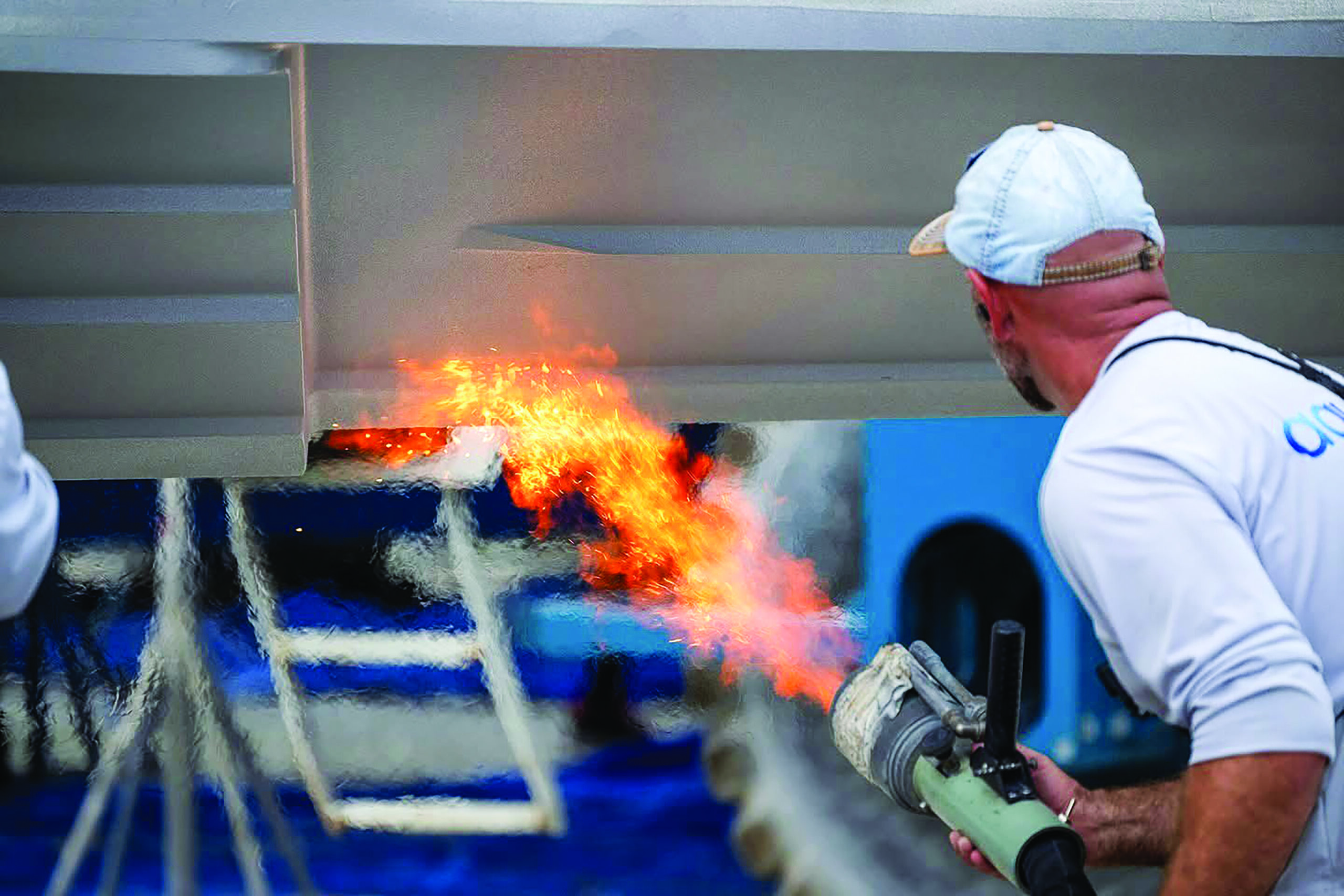
Ironically, Bloodline‘s most infamous scene involves a boat being torched—a desperate act to cover up a family’s darkest secret. The Dillons would eventually end up torching boats too, but for an entirely different reason: to save the very waters that first called them south.
In February 2016, they booked a house in Islamorada for a month, but when it came time to return to Charleston, something had shifted. The small-town feel, the tight-knit community, the impossible blue of the water—it had gotten under their skin. In September 2016, they rented another house, this time for a year. That December on a drive back to Charleston for Christmas, Dan said something that would change everything: “I want to buy a business in Islamorada.” That one month turned into forever.
Paradise with Purpose
Dan and Jenny had both spent careers in healthcare—demanding, indoor work that kept them tethered to fluorescent lights and climate control. Now, living in paradise, Dan wanted something different. He wanted to be outside, to build things with his hands, to feel the sun on his back while he worked. So they bought Islamorada Pools.
“It was a big change,” Dan admits, “but exactly what I wanted.”
Dan earned his contractor’s license and has been building pools ever since. Jenny has since retired from the pool business where she handled administration. Jenny’s sister, Jerri Hall, came on board remotely from Alabama to handle accounting. The business thrived, and they made friends with nearly every customer.
But Dan couldn’t stop thinking about the pool surfacing product they used—a thermoplastic coating applied with heat that created a permanent, non-toxic seal. It was certified Marine Life Safe and Drinking Water Safe, tough enough for municipal pools and facilities like SeaWorld. And he kept thinking about boat hulls.
Traditional bottom paint, Dan learned, was essentially designed poison. Ablative paints continuously shed copper and biocides into the water, but the damage doesn’t stop there. Every year, boats are hauled out and placed on lifts at marinas for repainting. Workers scrape and sand away the old toxic layers—often just feet from the water—sending copper particles and microplastics into the air, onto the ground, and eventually back into the marina.
Dan knew there was a better option.
The First Torch
The idea seemed simple enough in theory: if the thermoplastic coating worked on fiberglass pools, why not fiberglass boats? But theory and practice are two very different things when you’re standing next to a million-dollar center console with a blowtorch in your hand.
“We talked about it for over a year,” Dan says. “People were scared of the idea of blowtorching boats, and we were anxious ourselves.”
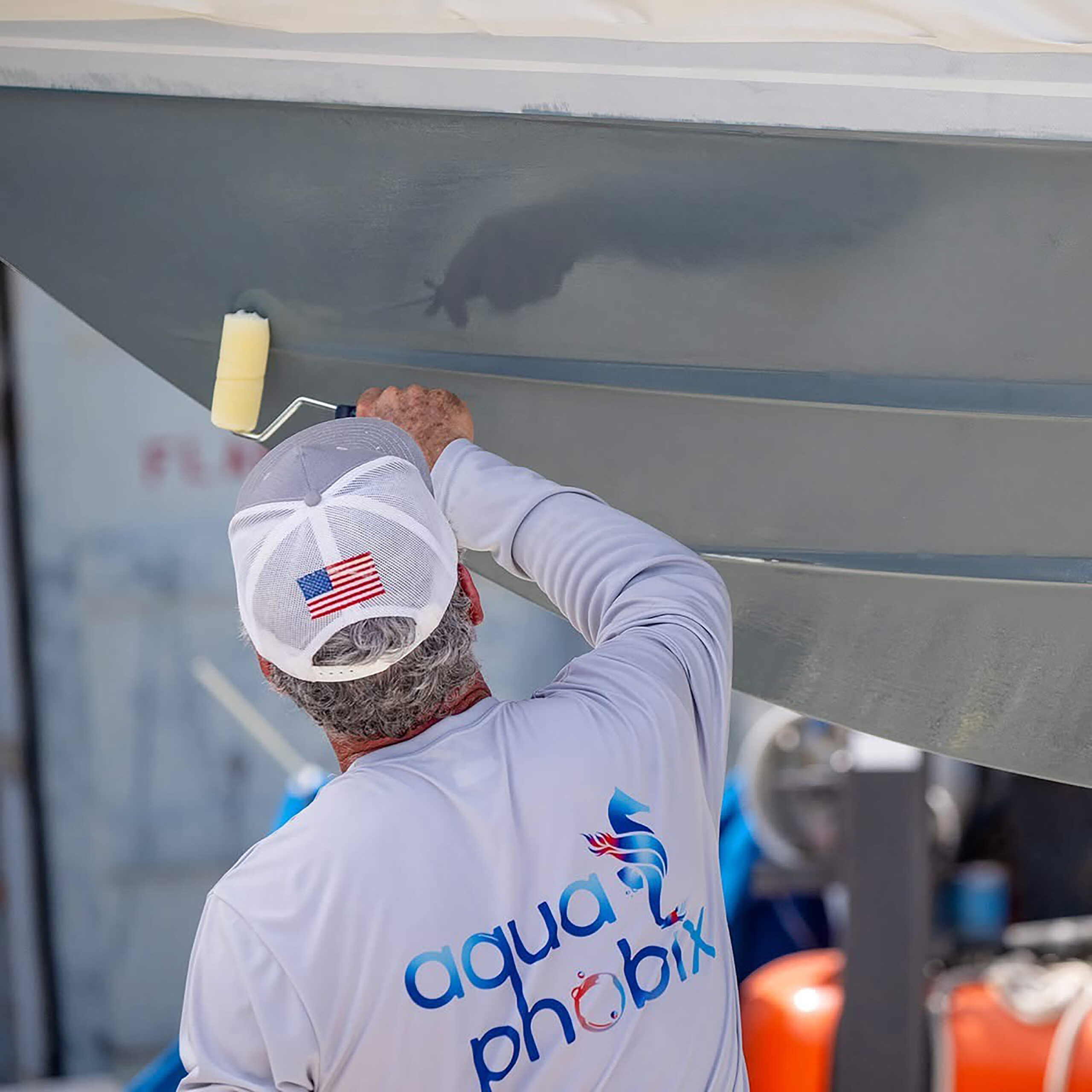
They started small—old boats, friends willing to take a chance. Todd Mecke, who brought invaluable boat knowledge to the team, offered up two of his own boats for testing. The process mirrored pool refinishing: sand the gelcoat, mask non-coated areas with fireproof tape, roll on heat-activated epoxy primer, then spray thermoplastic powder through a torch system, layer by layer.
The first time they applied flame to hull, everyone held their breath… It worked beautifully!
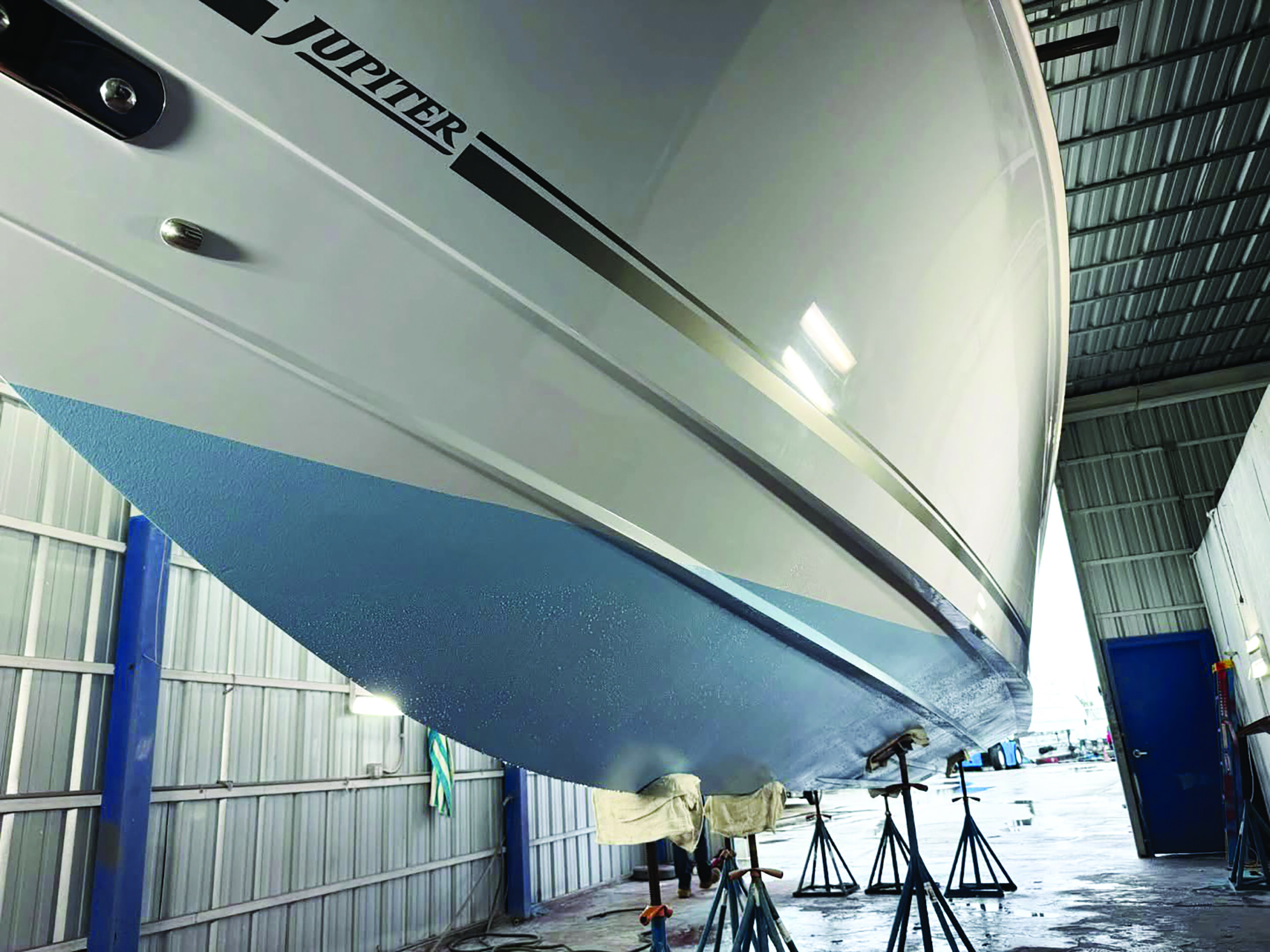
The coating fused into a permanent seal—no shedding, no leeching, no degradation. Testing showed bond strength exceeding 800 PSI. Boats ran at speeds over 60 mph with zero delamination. When marine growth appeared, it wiped off easily without taking any coating with it.
They called it Aquaphobix and chose the seahorse for their logo, knowing it thrives only in the cleanest, most stable waters—a fitting symbol for what they were trying to protect.
More Than Performance
Dan initially thought boaters would be most excited about performance gains and reduced maintenance. Traditional bottom paint requires annual or seasonal reapplication, with haul-out costs alone running $50 to $150 per foot. Add days of downtime per application and labor-intensive surface prep, and the expenses compound quickly. Aquaphobix, by contrast, is applied in hours and comes with a 5-year guarantee. When cleaning is needed, the surface is power-washable, even underwater.
Those benefits matter. But that’s not what people lead with when they call.
“Once we got the word out about Aquaphobix,” Dan reflects, “the main interest was the environment, which is a true testament to the wonderful community we live in.”
Keys residents understand what’s at stake. They see the reefs. They fish these waters. They know their children and grandchildren deserve the same blue water that drew the Dillons down from Charleston.
That environmental consciousness extends beyond South Florida. Aquaphobix is soon heading to London and Italy to apply to boats there. European regulations already prohibit many of the toxic bottom paints still legal in U.S. waters, creating strong demand for genuinely non-toxic alternatives.
A Family Affair on the Water
Back in Islamorada, Aquaphobix runs smoothly because of Dan, Jenny, and Jerri’s distinct skills coming together. “It works fantastically,” Dan says. “Different skill sets, different perspectives. That’s what makes us strong.”
Beyond the family, there’s the crew—the technicians who believed in Dan when he first proposed torching boats. Todd Mecke, Herman Jansen, and Andy McAlister (Jenny and Jerri’s brother) helped establish the entire application process, transferring their pool expertise to marine hulls and refining techniques with each boat.
The breakthrough moment came when local multimedia company SE Multimedia—led by Tom Rowland and Rich Tudor—created content featuring the Aquaphobix process. The video went viral, racking up three million views in three weeks. Suddenly, the world was watching boats get torched in Islamorada.
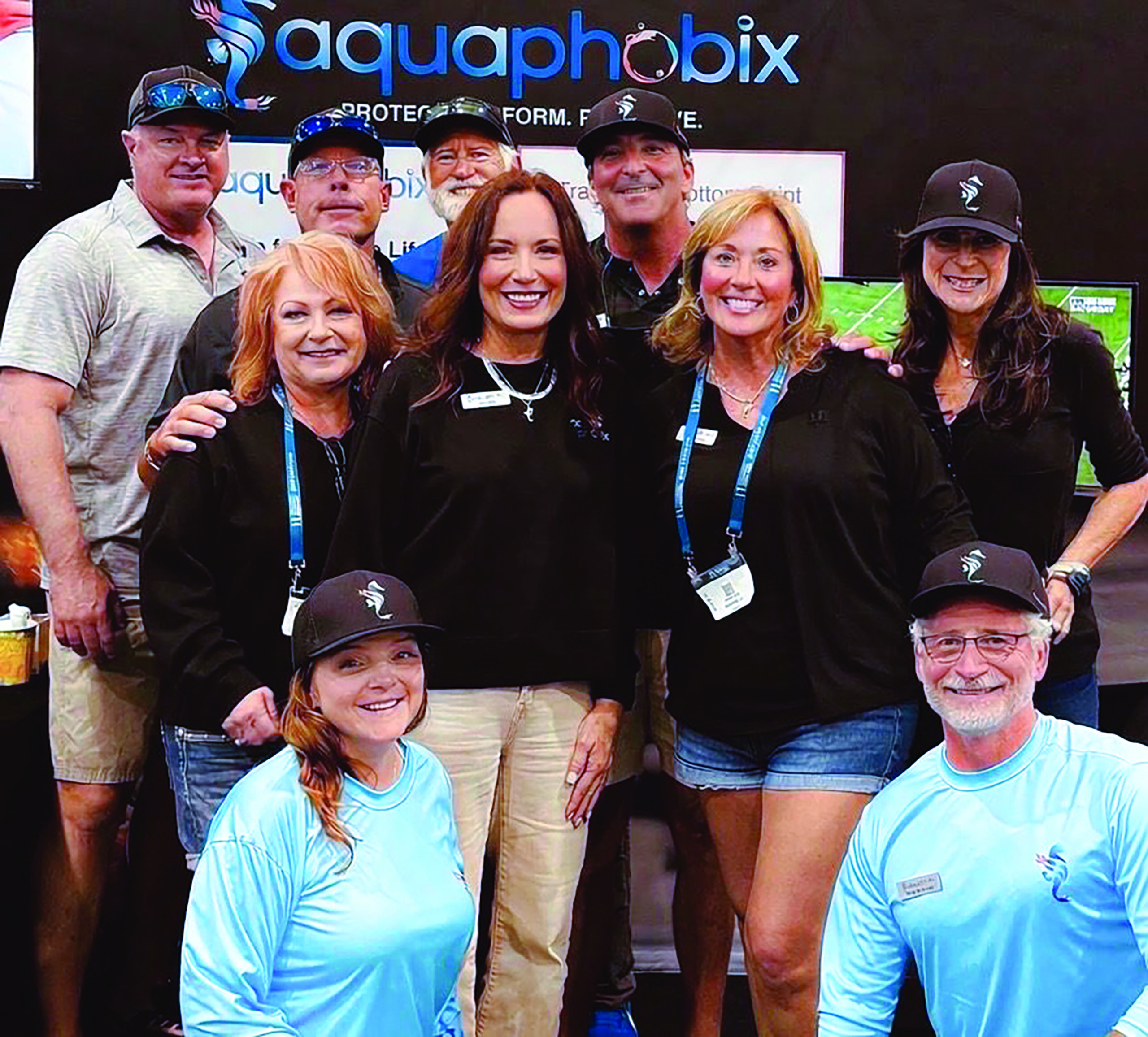
But social media isn’t the only place you might recognize Dan from—he’s often spotted around town cruising in his golf cart with his three dogs piled in. The Dillons also do what most Keys residents do: get on the water, spend time with friends, and open their home to visiting family, including their five-soon-to-be-six grandchildren.
“We didn’t know anyone when we moved here,” Jenny says. “Now we are blessed with amazing friends. Half our friends are former customers. The people we eat with, go to church with—they hired us for a pool or a boat, and now they’re just part of our lives.”
Standing on a dock in Islamorada, watching the light play off water that still looks exactly like it did in Bloodline, it’s easy to understand why the Dillons never went back to Charleston. This place gets inside you. And once it does, you’ll do whatever it takes to keep it this blue—even if that means pointing a blowtorch at a million-dollar boat and trusting that fire is exactly what these waters need.
To see a boat torched, visit @aquaphobixofficial on Instagram or YouTube.

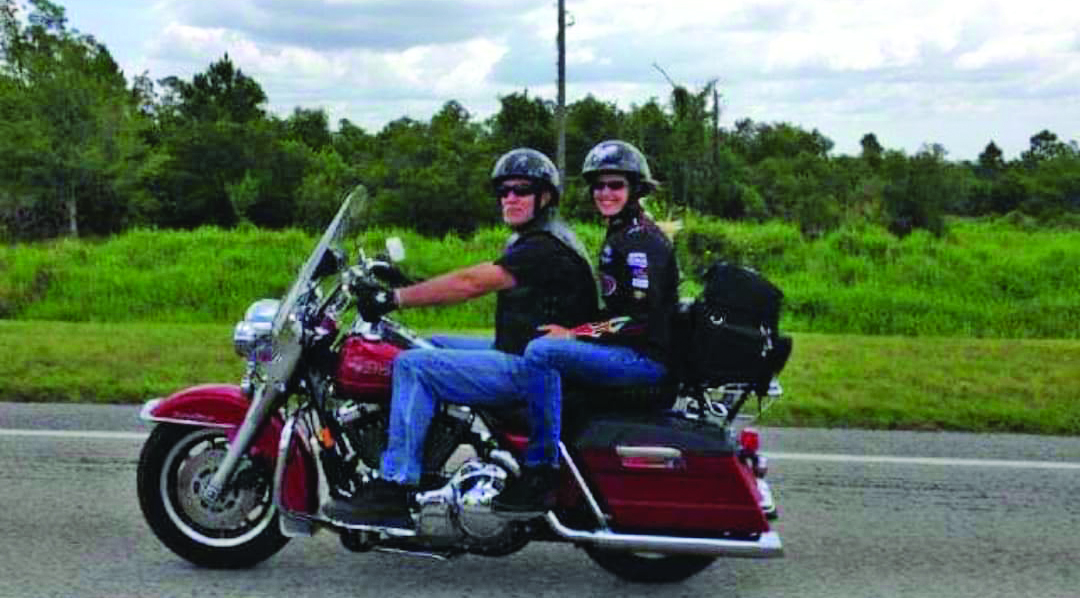
In Memory of Scott Parker
Ten years ago, our Keys Life Magazine office manager, Teresa Lybarger, was riding on the back of a Harley Davidson with her boyfriend Scott Parker.
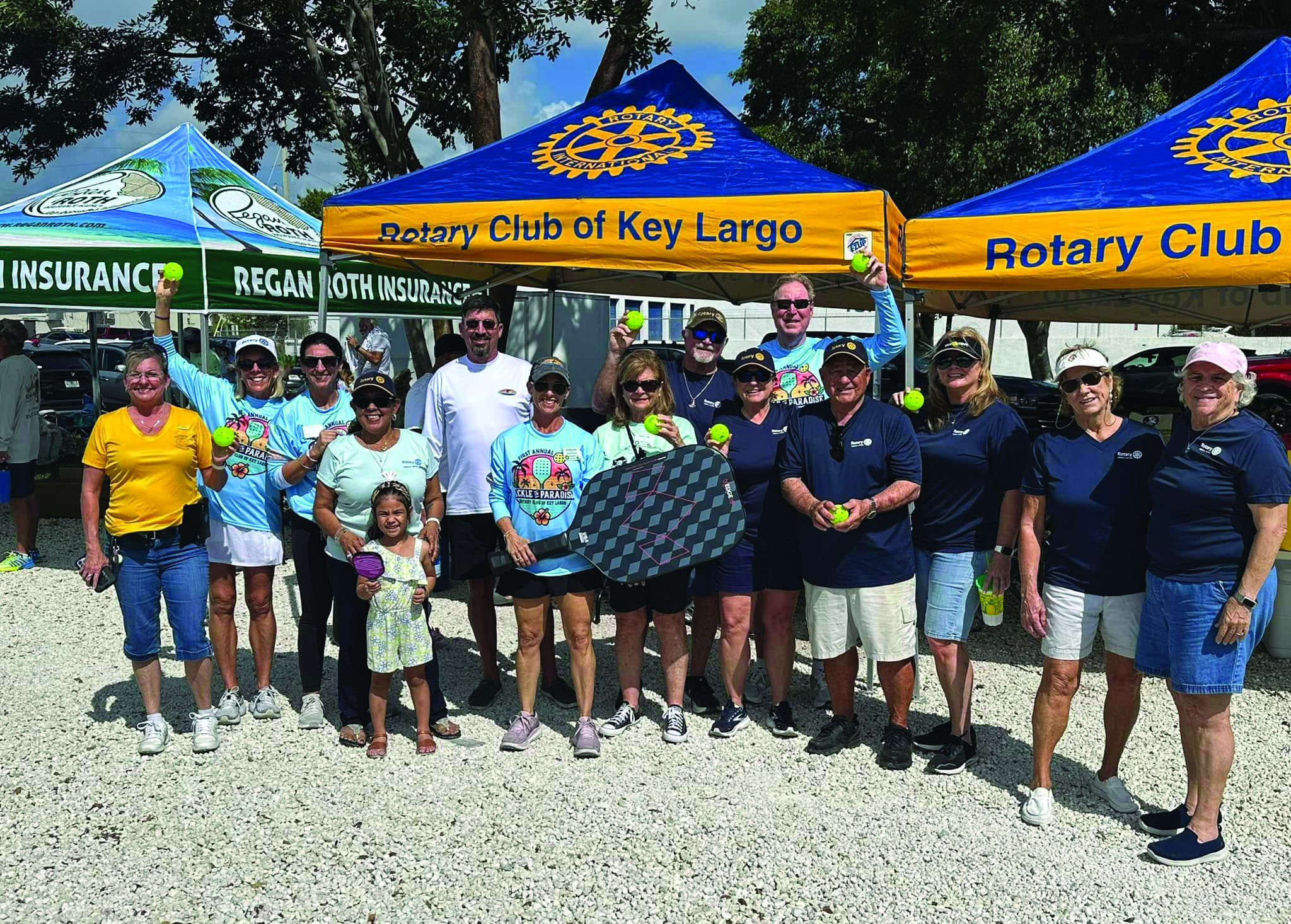
Pickle in Paradise: Second Annual Pickleball Tournament
Prepare to play pickleball in paradise for a purpose! The Second Annual Pickle in Paradise pickleball tournament is scheduled to take place at Key Largo
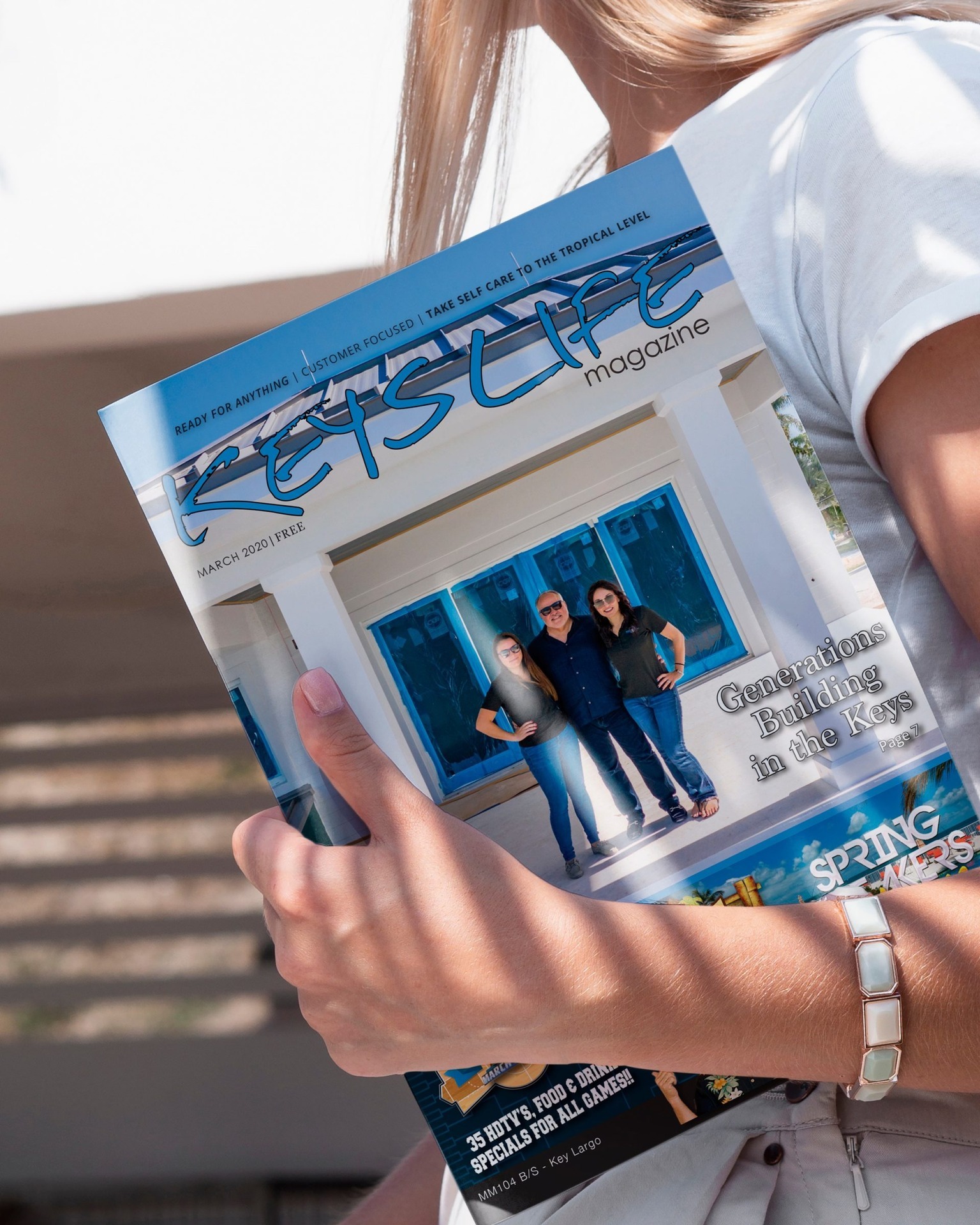
Community-Driven Affordable Direct Mail, it’s advertising that works
Allan Pope, the founder of Keys Life Magazine, along with his wife Michelle, are not only each small business owners but also active members in
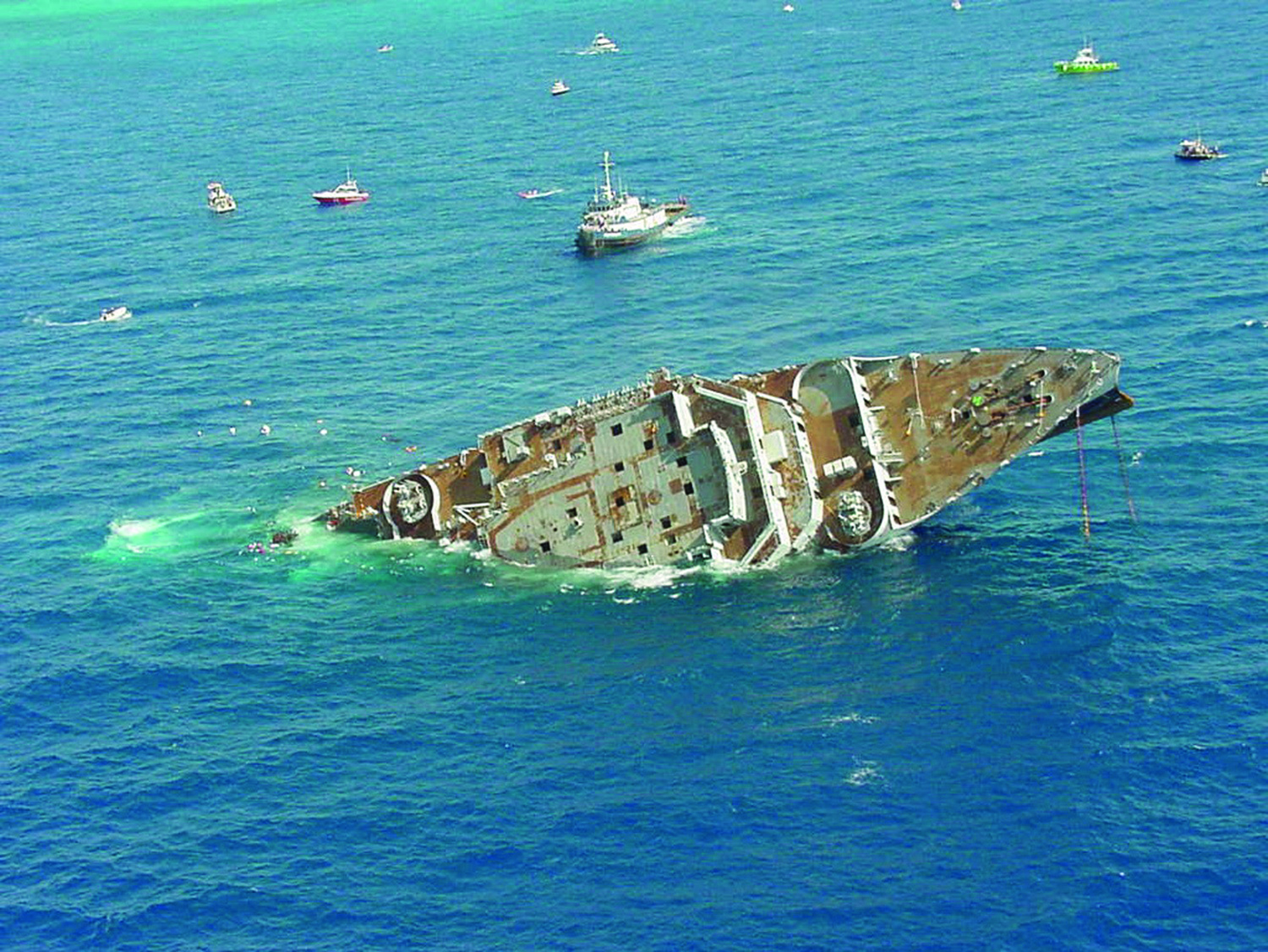
Topsy-Turvy History of the Spiegel Grove
Anybody living in the Florida Keys in 2005 likely remembers the trials and tribulations of acquiring and sinking a certain retired naval ship that was